Current Work

My Current Work in Office

Bills Delegate Odom is sponsoring and committee priorities he is leading in Annapolis for District 27A.

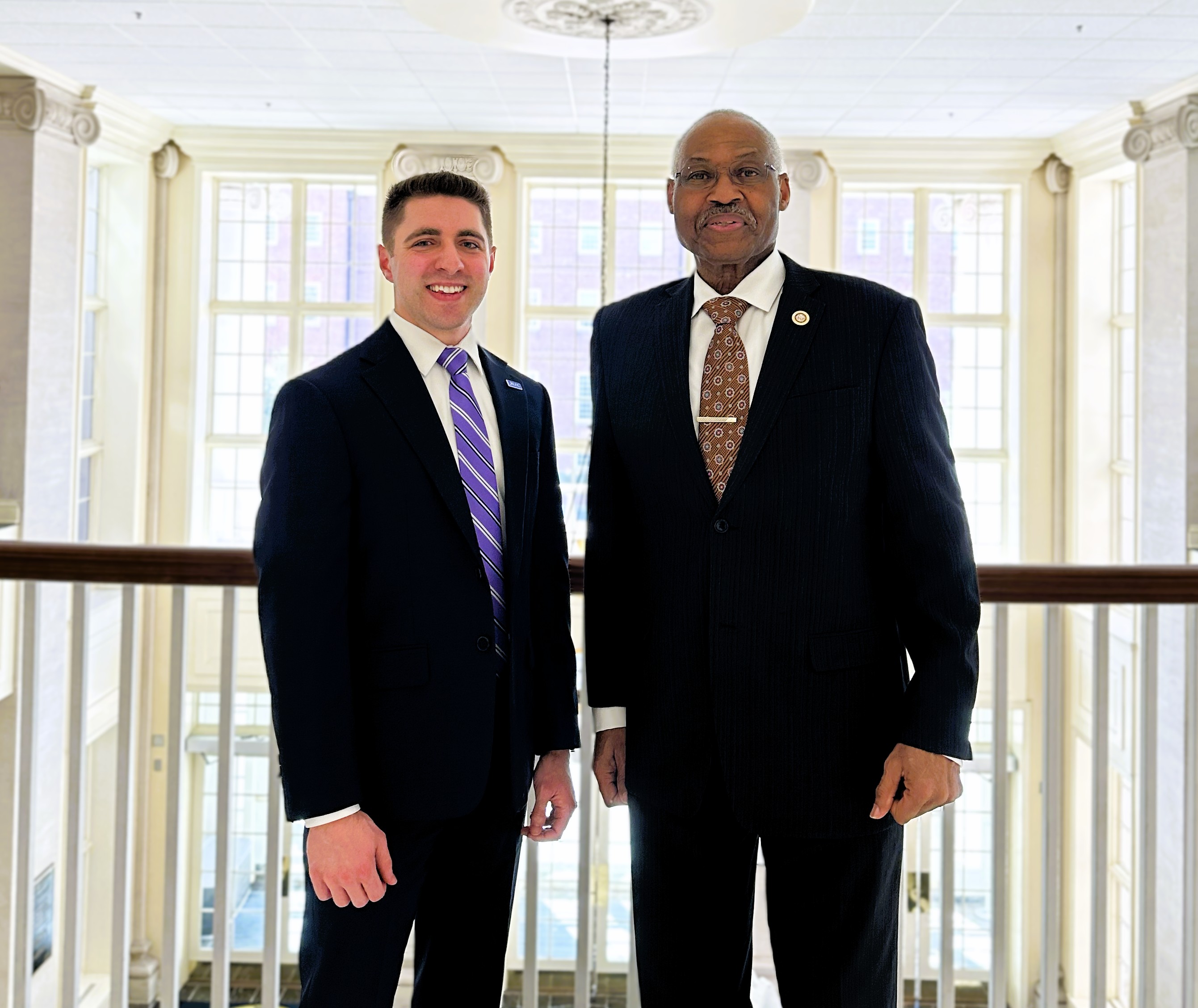
Delegate Darrell Odom with a constituent who testified in support of district legislation
Delegate Odom with a constituent testifying in support of district legislation, Annapolis, 2026 legislative session.
Campaign links

Keep up with campaign news, see upcoming events, or get email updates without leaving the Current Work page.

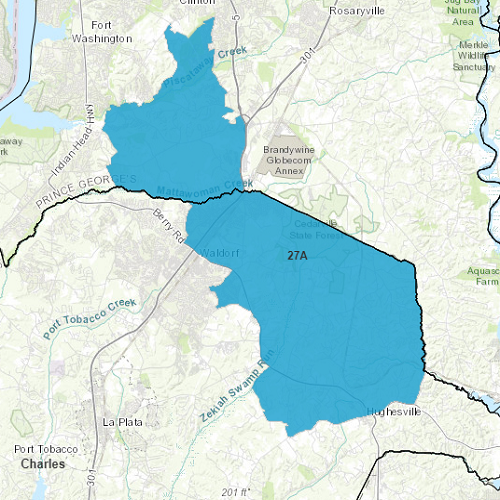
Map of District 27A showing the communities Delegate Odom represents in Annapolis
Transportation

Safer roads, school travel, and traffic relief.

People in District 27A deal with Route 301, dangerous crossings, and long commutes every day. Work in this lane is focused on making daily travel safer and pushing agencies to work together instead of passing the problem around.

House Bill 1567 | Pass Pedestrians Safely Act

Clearer passing rules for people walking and biking on district roads.

Read more

Sets a clearer standard for how drivers pass pedestrians and cyclists. That matters here because people are already sharing narrow roads, busy crossings, and school travel routes every day. Better rules will not fix everything, but they do make those roads safer and clearer to use.

Delegate Odom is involved here because safer daily travel is already a district issue, from school routes to the roads people use to get to work.

House Bill 1491 | Safe Pathways Commission

A way to get counties, schools, and transportation agencies working on the same routes instead of treating each piece separately.

Read more

People do not travel by jurisdiction. They travel one route from start to finish. This bill pushes the agencies involved to plan those routes together, which is how safer connections actually get built across District 27A.

Delegate Odom is involved because district travel does not stop at county or agency lines, and residents still have to live with the full route.

Public Safety

Clear standards and stronger systems.

Public safety work in this district cannot stop at slogans. It has to show up in the standards people live under and the systems families have to trust.

House Bill 0349 | Body-Worn Cameras

Clearer standards for body-worn camera use and stronger accountability in public systems.

Read more

Body cameras only help when the rules around them are clear. This bill supports stronger standards and gives the public a better sense of what accountability is supposed to look like. In District 27A, that connects to a bigger concern people already have: whether the systems around them are fair, clear, and reliable.

Delegate Odom is involved because standards and accountability are part of whether families in this district believe the systems around them will hold up when they need them.

Public safety in this district is bigger than one bill. The larger goal is prevention, accountability, and systems families can trust when something goes wrong.

Education

Access, readiness, and staying on track.

School support should not stop at one semester or one classroom. This lane is focused on keeping students moving, supporting teachers, and giving families clearer options after graduation.

House Bill 0479 | Early College Teacher Pathway

A stronger path into teaching and earlier access to college and career opportunities.

Read more

This bill opens an earlier path into teaching and gives students a stronger start if that is the work they want to do. It also fits a bigger district push around dual enrollment, scholarships, and workforce growth so students leave school with real options in front of them.

Delegate Odom is involved because school pathways, workforce readiness, and what students can do after graduation are all live district questions, not side issues.

Scholarships, dual enrollment, and school stability all connect here. The goal is to make sure students in District 27A have more than one path forward.

Veterans

Support, treatment, and practical protections.

This part of the work is personal and practical. It deals with mental health, financial protection, and the kind of follow-through service members and veterans should not have to fight for.

House Bill 1477 | Veterans Mental Health Innovations Act

Serious research and treatment work tied to veteran mental health.

Read more

This bill pushes for serious research into a treatment area that has gotten too little attention. The point is to treat veteran mental health like the crisis it is and keep Maryland involved in finding real answers instead of offering only symbolic concern.

Delegate Odom is involved because mental health and follow-through for people who served are not abstract issues in this district or in the work he has chosen to lead.

House Bill 1606 | Service Members Civil Relief Act

Stronger protections against unfair lending while people are serving.

Read more

Service members should not be hit with abusive interest rates while they are in active service. This bill strengthens those protections and deals with a pressure point that can hit military families hard.

Delegate Odom is involved because financial protections during service are practical protections, and military families can feel the damage quickly when those safeguards are weak.

This lane carries extra weight because it connects lived service, committee work, and real legislative follow-through.

District Investment

Everyday systems and everyday costs.

People feel district investment in roads, enforcement, affordability, and whether public systems make sense when they use them.

House Bill 1522 | Traffic Camera Accountability

Clearer responsibility in traffic enforcement involving rental vehicles.

Read more

When traffic enforcement rules are confusing, residents are the ones stuck sorting it out. This bill makes responsibility clearer, especially in rental vehicle cases, so the system is easier to understand and fairer to deal with.

Delegate Odom is involved because when everyday systems are hard to follow, district residents pay for that confusion in time, money, and trust.

The goal in this lane is straightforward: public systems should be easier to use, easier to understand, and more accountable to the people living with the outcome.